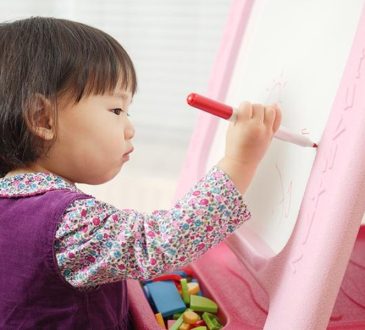

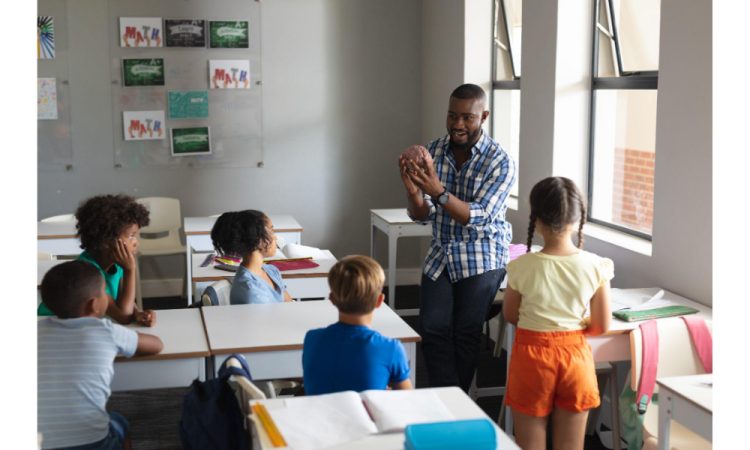
An international preschool in Singapore provides a learning environment where cultural diversity is an integral part of daily life. Children interact with peers from various nationalities, which helps build open-mindedness and awareness of global perspectives. This early introduction to different cultures promotes respectful communication and nurtures empathy. From greetings in different languages to discussions around global festivals, every day becomes an opportunity to understand the world beyond their immediate surroundings.
Language Development Through Immersion
Language drives communication, and international preschools understand its importance. Most programmes teach in English while exposing students to other languages such as Mandarin, French, or Spanish. This approach encourages children to listen, speak, and eventually think in multiple languages. Teachers weave language learning into songs, storytelling, and group discussions. Early natural immersion builds a strong foundation in multilingual communication, equipping children for a connected world.
Curriculum Built on Global Educational Standards
International preschools in Singapore often follow globally recognised frameworks that prioritise inquiry, critical thinking, and creativity. Whether they implement the International Baccalaureate Primary Years Programme or the British Early Years Foundation Stage, these curricula shift the focus away from rote learning. Children are encouraged to ask questions, explore concepts through play, and link classroom lessons to real-life situations. A kindergarten school within this system nurtures a sense of curiosity and gives learners the tools to investigate and articulate their thoughts from a young age.
Intentional Play-Based Learning
While play remains central to early education, the activities in international preschools are carefully structured. Educators design sessions that target key developmental areas such as spatial awareness, numeracy, emotional regulation, and social interaction. Whether using building blocks, role play, puzzles, or physical movement games, the play is guided by specific learning objectives. These methods help children understand concepts like cooperation, responsibility, and decision-making without relying solely on direct instruction. The result is a classroom where fun and focus coexist.
Smooth Transition into Primary and International Education
International preschools serve as strong preparatory stages for future academic success, particularly for those entering international primary schools. The kindergarten school model in this context focuses on developing essential academic and interpersonal skills early. Children are exposed to structured routines, integrated subject areas, and formative assessments. By the time they move on to higher levels, they are already familiar with the expectations of international education systems and are more confident in taking on new challenges.
International preschools in Singapore go beyond childcare. They serve as gateways to global learning, equipping children with the mindset and skill set needed in a connected world.
Focus on Individual Strengths and Group Interaction
Children learn at different paces, and international preschools are structured to address this reality without drawing unfair comparisons. Small class sizes and a high teacher-to-child ratio make it easier to observe individual learning styles and adjust classroom activities to suit the group’s needs. At the same time, children regularly participate in group tasks to develop collaboration and respect for others’ input. The balance of independence and teamwork builds confidence while also strengthening the child’s ability to work with peers from diverse backgrounds.
Early Introduction to Global Values and Awareness
A defining feature of an international preschool is its integration of global citizenship into daily learning. Lessons often include topics like caring for the environment, respecting different cultures, and understanding basic human rights. These are explored through projects, stories, and classroom discussions. For instance, children may take part in recycling activities or create artwork that reflects cultural diversity. These practices instil values such as empathy, responsibility, and fairness, setting the stage for more socially conscious behaviour in later school years. For more information about international preschools in Singapore, contact MapleBear Lavender today.