
What Makes Enrichment Classes at Education Centres in Singapore Different from Regular Tuition?

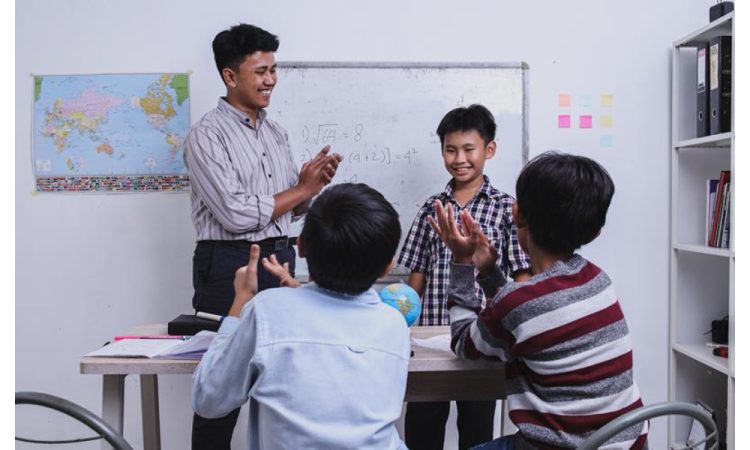
Education in Singapore is evolving rapidly, with parents seeking more effective ways to support their children’s learning. Many have begun exploring what an enrichment class is and how it differs from traditional tuition. While tuition focuses on academic performance, enrichment classes emphasise holistic development. Understanding the difference helps parents make informed decisions when choosing programmes that align with their child’s goals.
Defining What Is an Enrichment Class
An enrichment class nurtures skills beyond what schools usually cover. Understanding what an enrichment class is helps parents and students recognise its purpose in strengthening curiosity, creativity, and independent thinking, allowing learners to discover education as an enjoyable process. Subjects range from science and mathematics to music, robotics, and language arts, each designed to encourage exploration.
Unlike standard lessons, enrichment sessions promote active participation. Students engage in activities encouraging collaboration, communication, and innovation. Lessons focus on applying concepts to real-life situations, building confidence in analytical thinking and problem-solving.
Enrichment programmes at any education centre in Singapore also help students manage stress and develop motivation through self-directed projects. Rather than memorising formulas, they learn through discovery, research, and reflection. These skills become valuable tools for future learning, helping students adapt to various academic or professional challenges.
How Enrichment Differs from Regular Tuition
Regular tuition focuses on academic reinforcement. Tutors re-teach school content, clarify difficult topics, and prepare students for tests. The main goal centres on improving grades and filling knowledge gaps. While this method supports short-term performance, it can restrict creativity and deeper comprehension.
Enrichment classes at an education centre in Singapore take a broader approach. They cultivate lifelong learning habits through experiential lessons and interactive sessions. Teachers act as facilitators rather than lecturers, guiding learners to form conclusions through observation and experimentation.
While tuition often follows strict curricula, enrichment adopts flexibility. Programmes adapt according to each child’s learning style and pace, allowing students to enjoy education rather than fear assessments. This personalised environment develops intrinsic motivation, making students more proactive learners.
The result extends beyond academic success. Students gain emotional intelligence, adaptability, and social awareness—qualities essential for today’s interconnected world. By complementing tuition rather than replacing it, enrichment helps form a balanced education system that values knowledge and creativity equally.
Why Enrichment Classes Matter for Holistic Development
Academic performance remains essential, yet it only measures one part of a student’s potential. Enrichment classes aim at building confidence, discipline, and interpersonal skills. These soft skills support personal growth and prepare children for future challenges beyond the classroom.
At an education centre in Singapore offering enrichment, students encounter scenarios requiring teamwork, leadership, and communication. They learn how to express ideas clearly, listen actively, and collaborate effectively. Such exposure enhances emotional resilience and empathy—qualities often overlooked in conventional tuition.
Through hands-on experiments or project-based learning, children also develop curiosity and critical thinking. They begin identifying problems and proposing creative solutions rather than waiting for instructions. The process encourages autonomy and accountability, essential traits for adulthood.
Many enrichment programmes incorporate technology and real-world applications. Coding workshops, public speaking classes, or creative writing labs simulate real-life environments, preparing students for practical situations. By bridging academic knowledge and real-world application, enrichment helps learners see value in continuous improvement.
Choosing the Right Education Centre in Singapore
Selecting a suitable education centre in Singapore involves assessing teaching methods, curriculum quality, and overall environment. Centres offering enrichment typically design smaller classes, encouraging more interaction and personal attention. Instructors provide feedback that guides development rather than focusing solely on test results.
Parents should consider whether a centre promotes creative exploration or relies only on academic drills. Observing trial lessons or open-house sessions can help determine compatibility with the student’s learning needs. Some centres also integrate modern tools such as interactive learning platforms or collaborative projects that enhance engagement.
The most effective centres focus on shaping well-rounded individuals. They prioritise not just exam readiness but the ability to think independently, adapt to challenges, and maintain enthusiasm for learning. Choosing such an education partner ensures a child benefits academically and personally.
Fostering Lifelong Learners
Enrichment programmes promote intrinsic motivation that lasts long after school ends. Learners exposed to this environment grow into independent thinkers who value curiosity and persistence. Unlike rote memorisation, they gain a deeper connection with knowledge and develop confidence to face complex problems.
Through continuous exploration, students remain engaged and inspired. They begin understanding how learning extends beyond classrooms, shaping character and perspective. Education centres in Singapore play a major role in nurturing such mindsets, guiding students towards becoming creative, responsible citizens.
Empower your child to grow beyond academics. Contact Enlightened Hand Learning Hub for a trusted education centre in Singapore offering enrichment programmes that inspire lifelong learning and balanced growth.