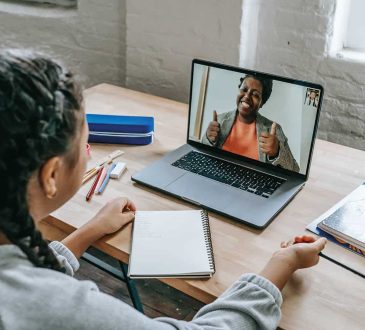

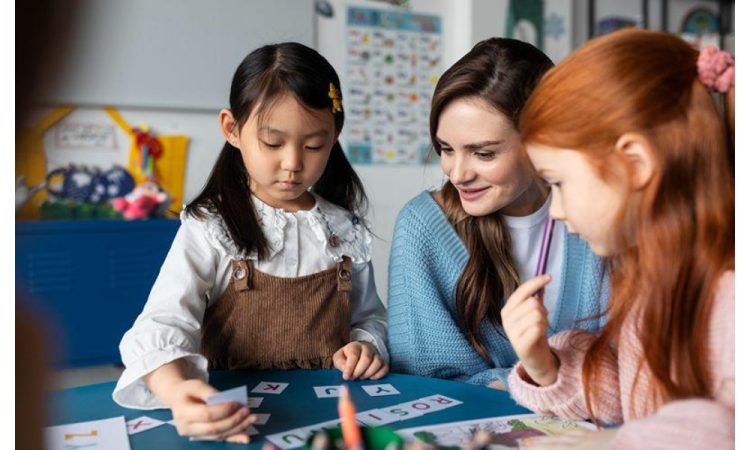
Early childhood carries a quiet urgency. Habits form quickly, language patterns settle in, and social awareness starts taking shape long before formal schooling begins. Parents sense this window and search for learning environments that feel purposeful rather than rushed. A bilingual preschool in Singapore may now be a considered choice rather than a trend. It reflects how young children learn best through rhythm, repetition, and meaningful interaction rather than pressure. The real value appears when language learning blends naturally into daily routines. Instead of separating academics from play, a bilingual setting allows growth to unfold steadily.
Language Exposure Becomes Part of Daily Life, Not a Lesson
Children absorb language through use, not instruction alone. In a bilingual preschool, language flows through greetings, songs, shared meals, and storytelling. This steady exposure helps children connect meaning to sound without feeling self-conscious.
When Chinese for preschoolers is introduced through play, movement, and social interaction, children begin associating the language with comfort rather than correction. Vocabulary builds quietly, sentence patterns settle in, and listening skills sharpen. Over time, children respond naturally without translating in their heads. This ease creates a foundation that feels secure rather than forced.
Such immersion also supports clearer pronunciation and stronger listening awareness. Children learn to adjust tone and rhythm instinctively, a skill difficult to replicate later.
Cognitive Flexibility Grows through Switching Contexts
Young minds adapt quickly when guided thoughtfully. A bilingual preschool in Singapore creates daily opportunities for children to switch between language environments, activities, and instructions. This movement trains attention control and mental flexibility.
Chinese for preschoolers plays a role here by encouraging children to recognise context. A story session may follow one language pattern, while a music activity shifts to another. Children learn to listen closely, respond accurately, and stay engaged without confusion. This gentle mental stretching supports memory development and problem-solving skills.
Over time, children become comfortable navigating change. They listen more carefully and show greater patience during group tasks. These habits extend beyond language and support classroom readiness in later years.
Cultural Understanding Develops Alongside Language
Language carries values, expressions, and social cues. In a bilingual preschool, children encounter cultural references through stories, festivals, and shared routines. These experiences shape emotional awareness and social sensitivity.
Chinese for preschoolers introduces concepts such as respect, family relationships, and shared responsibility through age-appropriate narratives. Children learn that language connects people and traditions rather than existing as abstract vocabulary. This awareness helps children communicate with empathy and curiosity.
Such exposure also normalises diversity. Children grow comfortable hearing different accents, expressions, and communication styles. This ease supports smoother social interactions as peer groups widen.
Confidence Builds Through Familiarity and Repetition
Confidence grows when children feel capable. A bilingual preschool in Singapore creates predictable language patterns within daily routines. Familiar phrases during transitions, playtime, and group discussions help children anticipate and respond without hesitation.
Chinese for preschoolers benefits from this repetition. Children hear phrases consistently across contexts, reinforcing understanding without drilling. Gradually, they volunteer responses, initiate conversations, and express needs clearly. Each small success strengthens self-belief.
This confidence extends into social settings. Children speak up during group activities and show willingness to participate. Language becomes a tool for expression rather than a barrier.
School Readiness Improves Without Academic Pressure
Early education thrives when learning feels balanced. A bilingual preschool prepares children for future academic demands through structure rather than intensity. Listening skills, turn-taking, and comprehension develop naturally.
Chinese for preschoolers supports this preparation by strengthening attention span and auditory memory. Children learn to follow instructions, understand stories, and respond thoughtfully. These abilities ease the transition into formal schooling, where structured learning increases.
Parents notice children showing curiosity instead of resistance. Learning feels familiar, and classrooms feel less intimidating. This calm readiness matters more than early mastery.
Early growth depends on environment, rhythm, and trust. A bilingual preschool in Singapore offers children a space where language learning feels natural and supportive of broader development. Through daily exposure, cultural understanding, and gentle structure, children gain confidence and flexibility. Chinese for preschoolers plays a meaningful role in shaping communication skills and emotional awareness during these formative years. The result is steady preparation for future learning grounded in comfort and curiosity.
Contact Raffles Kidz International to explore how a bilingual preschool can support your child’s early learning journey through thoughtful language immersion.